REVIEW · GRANADA
Guided visit to the Alhambra, Nasrid Palaces and Generalife
Book on Viator →Operated by Granada Turismo y Ocio · Bookable on Viator
Granada’s Alhambra feels like a living puzzle. This guided route hits the Nasrid Palaces highlights like the Comares and Lions courts, then climbs into the Alcazaba for big views, with a smart add-on to Generalife. I like that the stops are chosen to explain design details (stucco, wood ceilings, water system gardens) instead of just rushing rooms, and I also like the tight pacing for a 3-hour visit with English guidance. One drawback to keep in mind: this is not a slow stroll, and it’s not recommended if you have reduced mobility.
You’ll cover a lot of ground without feeling totally lost, because the guide ties each area back to how the Alhambra was built and defended. The group size is limited to 30 travelers, which helps keep questions from getting buried. If you’re visiting on a date where you need absolute schedule certainty, note that changes can happen and the booking is non-refundable once you purchase.
In This Review
- Key Highlights to Look For
- Why This 3-Hour Alhambra Route Works
- Nasrid Palaces: Comares, Mexuar, Arrayanes, and the Lions Court
- Comares Palace, Mexuar, Patio de los Arrayanes, and the Throne Room
- Palace of the Lions: patio fountain and the key rooms
- Alcazaba: From Defensive Walls to Torre de la Vela Views
- Jardín de los Adarves and Puerta de las Armas
- Palace of Carlos V: The 16th-Century Counterpoint
- Calle Real de la Alhambra and the City-Scale Story
- Ruins: Palacio de los Abencerrajes and Medina workshops
- Generalife on Cerro del Sol: Orchards, Water Gardens, and Patio Highlights
- Generalife Palace and its connection to the Alhambra
- Patio de Polo, Patio de la Guardia, Patio de la Acequia
- Patio de la Sultana and exit via Paseo de las Adelfas
- Price and Tickets: Is $66.42 a Good Value?
- The Guide Effect: Clear Explanations and Attentive Moments
- Who Should Book This Alhambra and Generalife Tour
- Should You Book This Guided Alhambra Tour?
- FAQ
- How long is the guided visit?
- What areas of the Alhambra does the tour cover?
- Is the tour offered in English?
- Are admission tickets included?
- Where do I meet the tour?
- What is the maximum group size?
- Is this tour suitable for reduced mobility?
- When will I receive confirmation after booking?
- What is the cancellation or change policy?
Key Highlights to Look For
- Nasrid Palaces walk-through focused on Comares and the Palace of the Lions
- Wood-and-stucco craft details explained, including the preserved ceiling techniques
- Alcazaba climb to Torre de la Vela for views over Granada, Albaicín, and the Vega de Granada
- Generalife gardens and orchards with a clear link between water, fruit, and court life
- Calle Real city layout plus Christian modifications like Santa María de la Alhambra and San Francisco
Why This 3-Hour Alhambra Route Works
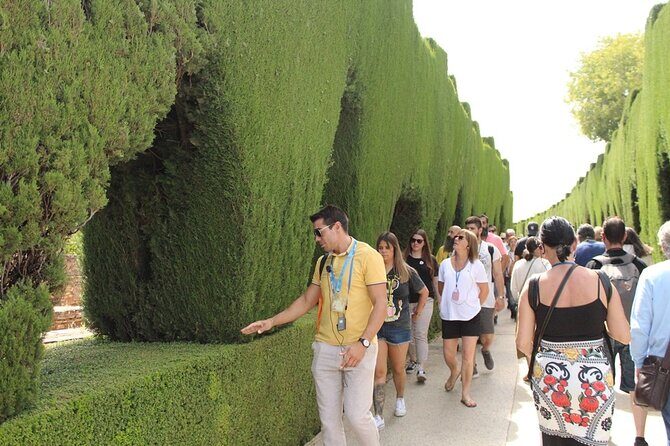
The Alhambra is huge, and trying to DIY it can turn into one long queue-and-hunt session. This tour keeps you moving through the most meaningful areas and gives you a narrative for what you’re seeing: palaces for court life, Alcazaba for defense, and Generalife for gardens and production.
You’re looking at about 3 hours, in a group that maxes out at 30. That matters because you get enough time in each zone to notice details, but not so much time that you start waiting around for the next checkpoint. Also, tickets are included for major parts of the visit, which is a simple way to control your total cost once you arrive.
The meeting point is the Alhambra Meeting Point | Tienda de Souvenirs y Alhambra tours, at P.º de la Sabica, 1, Local, Centro, 18009 Granada. The tour ends in a different location, so plan on finishing your day with a quick walk or short transit hop rather than expecting to return to the exact same corner.
Other Nasrid Palaces tours we've reviewed in Granada


Nasrid Palaces: Comares, Mexuar, Arrayanes, and the Lions Court
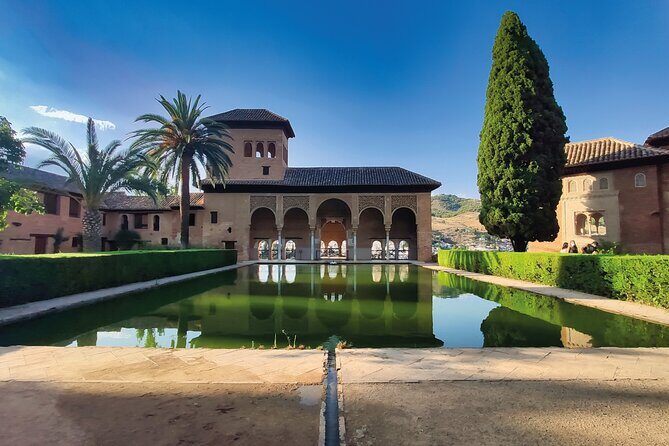
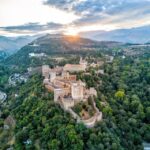
This is the core of the visit, and it’s where the Alhambra’s design language becomes obvious. You start with the Nasrid Palaces, moving through the Comares complex and then into the Palace of the Lions, which is where a lot of people feel their eyes “click” into place.
Comares Palace, Mexuar, Patio de los Arrayanes, and the Throne Room
You’ll visit the Comares Palace along with its administrative area, the Mexuar. The big idea here is that this wasn’t only a showy residence. It also functioned as a place where decisions were made and authority was performed.
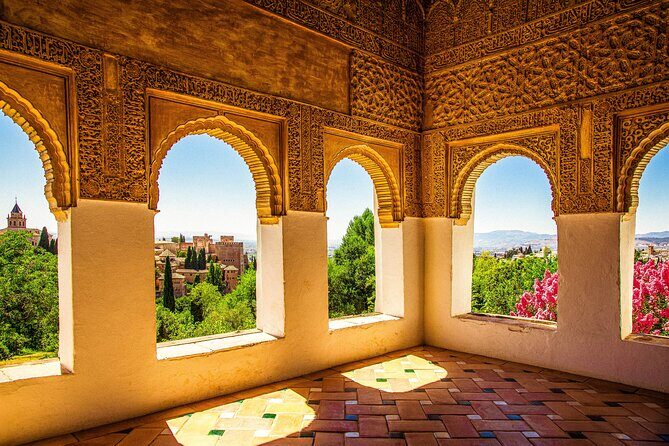
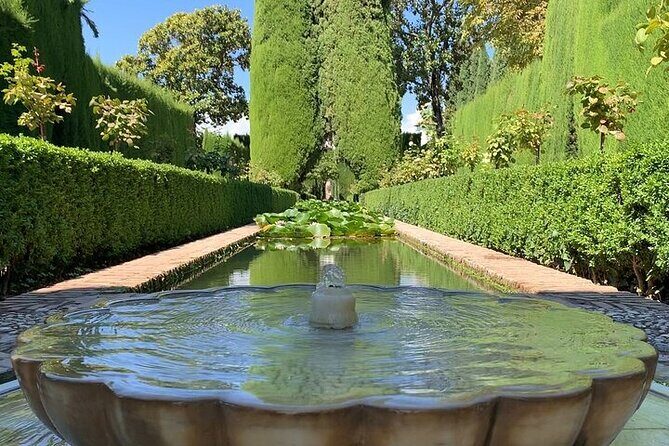
Then comes the Patio de los Arrayanes, with its porticos and long reflecting pool. Even if you don’t know much about Islamic garden design, you can feel the logic: light, symmetry, and water working together to create a cool, controlled atmosphere. The guide also points out how the original decorative techniques were built, including stucco construction methods and the wood techniques used to create the ceiling that are still preserved. That kind of explanation is gold because it helps you stop treating the ceiling as decoration and start seeing it as craft engineering.
Next is the Comares Tower and its Throne Room. The goal isn’t to memorize names. It’s to understand why the architecture is shaped the way it is, so that when you look at arches, surfaces, and proportions, you can sense the intended effect.
Palace of the Lions: patio fountain and the key rooms
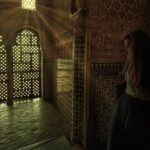
The tour continues with the Palace of the Lions, described as a majestic work connected to Sultan Mohammed V. Here, you’ll see the patio with the famous fountain and then related rooms, including the Room of Two Sisters and the Room of the Kings.
What I like about structuring the tour this way is that you’re not just touring rooms. You’re learning how the palace organizes movement: patio spaces for visual center points, then rooms that feel like “chapters” branching off from that core.
You also end this portion in the Partal area, including the Torre de las Damas. This part helps you connect the palaces back to their surrounding gardens and views, rather than making the entire visit feel like it’s locked indoors.
Time note: you’ll spend about 1 hour at the palace section, with admission included. In that window, you’ll want to keep your phone camera ready but not stuck in selfie mode. The best payoff comes when you pause long enough to look up and along the edges where decoration and structure meet.
Alcazaba: From Defensive Walls to Torre de la Vela Views
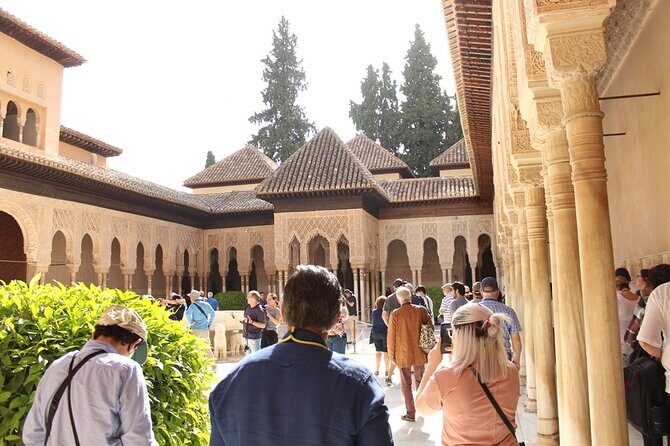
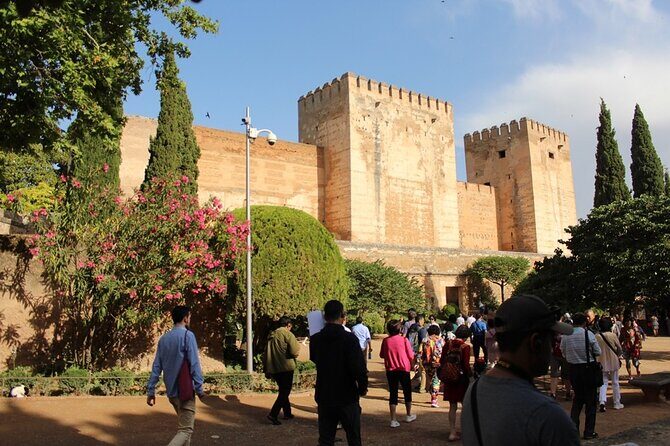
After the palaces, the mood shifts from courtly to strategic. The Alcazaba is the military part of the Alhambra, and the tour is designed to explain how the defensive structure worked as part of a palatine city.
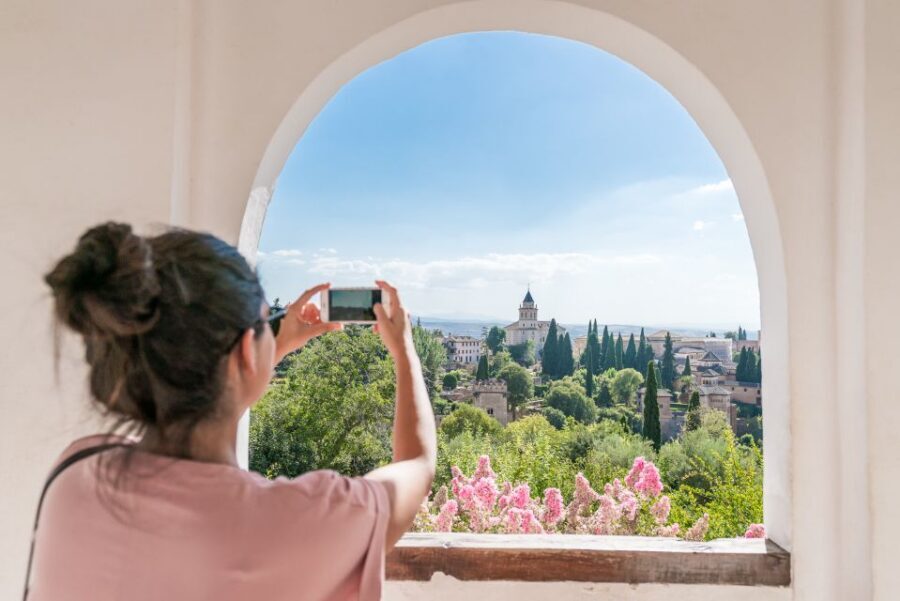
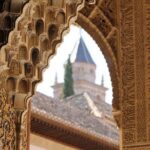
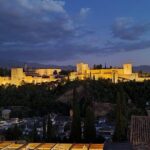
You’ll get a guided walk through the defensive layout and then go up to the Torre de la Vela. This is one of those spots where the architecture makes sense because the view does. From up there, you can see Granada, Albaicín, and the Vega de Granada, and the guide explains the function of the tower and what changed during the Christian conquest.
The quick “why this matters” moment is the main win here: high points weren’t just for beauty. They were for control, signaling, and defense.
Other guided tours in Granada





Jardín de los Adarves and Puerta de las Armas
You’ll also visit the Jardín de los Adarves and the Puerta de las Armas. These stops help you understand how daily life and military life shared the same physical space. Even if you’ve never studied fortifications, the guide frames what you’re seeing in plain language: where people moved, how boundaries worked, and why gates weren’t just entrances.
This stop is about 25 minutes, with admission included. That’s short enough to feel like a highlight, not short enough that you feel completely rushed—assuming you’re prepared for a climb.
Palace of Carlos V: The 16th-Century Counterpoint
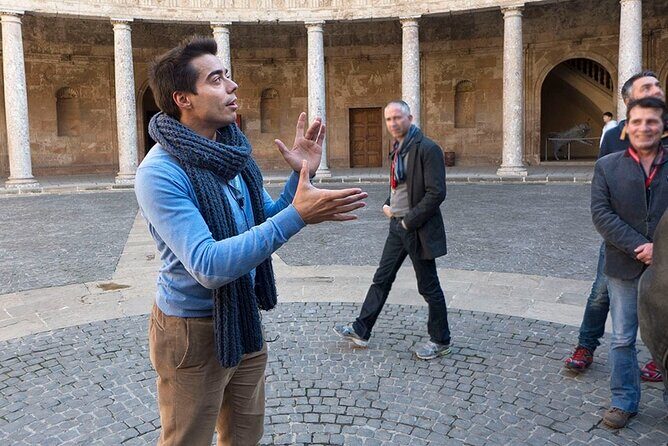
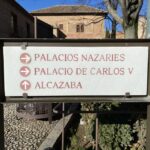
The Palace of Carlos V is a 16th-century building that changes the feel of the Alhambra. The tour spends about 15 minutes here, focusing on why it looks the way it does and what it symbolizes in the site’s story.
You’ll get an explanation of the facades and the main courtyard, plus notes about the construction, its symbols, and where the museums are located inside. The real value isn’t turning this into a lecture. It’s giving you enough context so you don’t treat the building as a random interruption.
If you like architecture that’s “of its time,” this stop gives you the contrast: one part of the Alhambra shaped by Nasrid court culture, another shaped by later power and taste. Even in a short visit, it adds balance to the day.
Calle Real de la Alhambra and the City-Scale Story
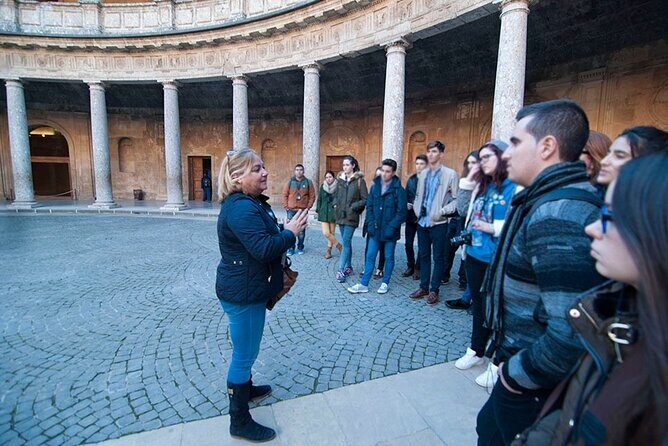
This is where the Alhambra stops feeling like individual monuments and starts feeling like a city with layers. The tour takes you through Calle Real de la Alhambra, which is described as the public area, covered as you move.
The guide explains the structure of the city and also points out Christian modifications, including the church of Santa María de la Alhambra and the convent of San Francisco. The convent is now a national hostel, and it’s described as the burial place of Queen Elizabeth. That mix—religious change, reused space, and new functions—helps you understand why historic sites can feel “layered” instead of frozen.
Ruins: Palacio de los Abencerrajes and Medina workshops
You’ll also visit the area of the dry land where the ruins of the Palacio de los Abencerrajes are located. The Abencerrajes are described as a prominent family of the Nasrid court, so even the ruins come with a narrative hook.
Then you’ll see the Medina area, including ruins of workshops and ovens used to build the decorations. This is important because it turns your attention from what you see to how it got made. When you’re looking at carved details later that day, it helps to remember that the Alhambra depended on skilled production, not just imported art.
Admission here is listed as free for this part of the tour, which makes it a nice extra without adding to your ticket cost. The time on this stop is about 25 minutes, so it’s a good pace for absorbing the “big picture.”
Generalife on Cerro del Sol: Orchards, Water Gardens, and Patio Highlights
After the palace-and-city sections, Generalife feels like the Alhambra exhaling. You head up to the Cerro del Sol hill area, where you’ll see the Nasrid orchards and the Christian labyrinth gardens.
What I like about how this stop is framed is that it connects design to function. The tour explains the flora in the gardens and the fruits produced in the orchards. That turns Generalife from scenery into a working agricultural and leisure system.
Generalife Palace and its connection to the Alhambra
You’ll visit the Generalife Palace and get an explanation of its physical communication with the Alhambra. In other words, you’re not just visiting a separate garden. You’re seeing how a retreat connected back to the court’s world.
Patio de Polo, Patio de la Guardia, Patio de la Acequia
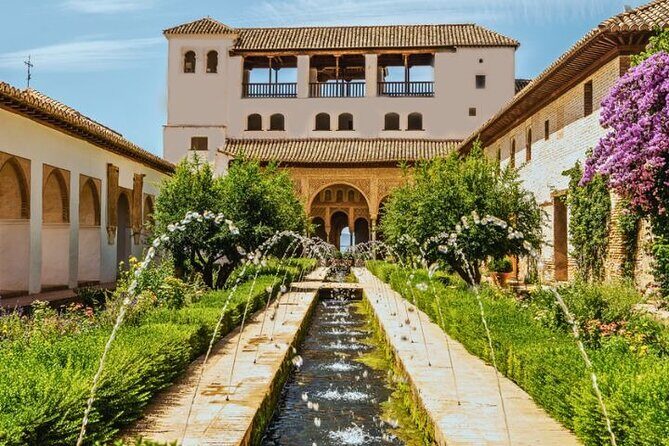
You’ll also see several garden patios: Patio de Polo, Patio de la Guardia, and Patio de la Acequia, where the tour notes the summer house of the Sultan. These are the kinds of garden spaces that reward slow looking: arches, water channels, and planted areas work together to shape light and temperature.
Patio de la Sultana and exit via Paseo de las Adelfas
The tour also includes Patio de la Sultana with cypress trees and tall gardens, then you exit the enclosure through the Paseo de las Adelfas. That final path matters because it lets you come down from the garden experience with a last look at the site’s vegetation and layout, instead of abruptly leaving mid-flow.
Generalife is about 45 minutes, with admission included. This is the most time you get in one stop after the Nasrid Palaces, and it’s also where you can reset your brain. If you’re taking photos, this is the easiest place to get them without feeling like you’re constantly dodging other groups.
Price and Tickets: Is $66.42 a Good Value?
At $66.42 per person for about 3 hours, the price is reasonable for a guided Alhambra route that includes multiple admission areas. The tour lists admission included for the Nasrid Palaces (1 hour), Alcazaba (25 minutes), Palace of Carlos V (15 minutes), and Generalife (45 minutes). The Calle Real public area is described as admission free.
So you’re paying for two things: a guide to connect the dots, and entry to the key zones you’d otherwise need to plan carefully. If you were doing this solo, you’d likely spend your energy juggling ticket lines, timing, and navigation across widely separated sections of the grounds. Here, the structure is built in.
One thing to consider: the tour is non-refundable and cannot be changed for any reason. That’s not a reason to avoid it, but it is a reason to double-check your travel dates before buying. The negative experience about a schedule change is rare, but it’s still smart to treat this as a commitment once you’re booked.
The Guide Effect: Clear Explanations and Attentive Moments
A great Alhambra tour lives or dies on the guide’s ability to make details legible. The overall feedback is strongly positive about guides explaining things clearly and staying attentive.
Two guide names come up in the praise: Noelia and Victoria. The praise centers on clear, well-structured explanations and the feeling that the guide is ready to answer and help. That matters most in places where the architecture has so much going on that your eyes can’t decide where to rest.
You’ll see why in the palaces: when the guide talks through stucco techniques, preserved wood ceiling methods, and the meaning behind room names, you stop seeing everything as decorative wallpaper. You start reading the place.
The one negative note in the record is about reliability tied to schedule changes the day before the tour. While you can’t control every moving part in a big site operation, you can control how you book: give yourself slack in the rest of your day, and avoid stacking another must-see appointment right after your tour.
Who Should Book This Alhambra and Generalife Tour
You’ll likely enjoy this if you want:
- A guided English walkthrough that focuses on the main Alhambra zones without turning it into a full-day grind
- A route that mixes palaces, fortifications, urban layout, and gardens
- A group experience with a maximum of 30 people, which helps keep things from feeling chaotic
It’s also described as suitable for most travelers, and service animals are allowed. It’s simply not recommended for people with reduced mobility, so if mobility is a concern, you’ll want to think twice.
If you’re the type of visitor who gets more out of understanding why things were built than just ticking off rooms, this tour’s emphasis on design and function is a good match.
Should You Book This Guided Alhambra Tour?
I’d book it if you want an efficient, structured Alhambra day that doesn’t leave you guessing what you’re looking at. The value comes from the combination of multiple included admissions and a guided route that explains design and purpose across Nasrid palaces, Alcazaba defenses, the Carlos V contrast, the Calle Real city layer, and the Generalife gardens.
Skip it or consider alternatives if:
- You have reduced mobility needs
- Your schedule is fragile and you cannot tolerate any changes
- You prefer to wander without timing at all, because this is still a set 3-hour route with set stops
If you can handle a guided pace and want to leave with a clearer sense of how the Alhambra worked as a place—not just a view—this one is a solid choice.
FAQ
How long is the guided visit?
The tour lasts about 3 hours.
What areas of the Alhambra does the tour cover?
You visit the Nasrid Palaces (including Comares and the Palace of the Lions), the Alcazaba, the Palace of Carlos V, Calle Real de la Alhambra, and Generalife.
Is the tour offered in English?
Yes, it is offered in English.
Are admission tickets included?
Admission tickets are included for the Nasrid Palaces, Alcazaba, Palace of Carlos V, and Generalife. The Calle Real de la Alhambra public area is listed as admission free.
Where do I meet the tour?
You meet at the Alhambra Meeting Point | Tienda de Souvenirs y Alhambra tours, P.º de la Sabica, 1, Local, Centro, 18009 Granada, Spain.
What is the maximum group size?
The tour has a maximum of 30 travelers.
Is this tour suitable for reduced mobility?
It is not recommended for people with reduced mobility.
When will I receive confirmation after booking?
You receive confirmation at the time of booking unless you book within 2 days of travel, in which case confirmation is received within 48 hours, subject to availability.
What is the cancellation or change policy?
The experience is non-refundable and cannot be changed for any reason.