REVIEW · GRANADA
Hiking in the natural park on the outskirts of the Alhambra
Book on Viator →Operated by Attraversiamo Tour · Bookable on Viator
Put your boots on, and the city opens up. This hike is a classic way to walk the Alhambra area on foot, with big Cerro del Sol viewpoints and a finish at Llano de la Perdiz where people have long come for nature time. I especially liked how the guide ties the path to the Alhambra world while keeping the walk active. The one thing to watch: there are steep sections and some hands-on bits, so you want at least average fitness and good shoes.
It starts at Puente del AljibilloCentro in Granada and is designed to let you explore without needing a car. Along the way you’ll follow the Alarife path vibe and get up close to the natural park on the outskirts of the Alhambra. It also works well if you want your Alhambra visit the day before to continue with a change of pace and perspective.
With a maximum of 8 travelers and a 3-hour loop, it’s a manageable commitment in a busy itinerary. The tour is offered in English and you’ll use a mobile ticket. If you’re hoping for a flat stroll, this isn’t it, but if you want views for the effort, it’s a very fair trade.
In This Review
- Key Highlights Worth Booking
- Why This Alhambra Outskirts Hike Feels Like a Granada Signature
- Meeting at Puente del AljibilloCentro and the 3-Hour Timing That Works
- La Silla del Moro: The Named Stop That Helps You Navigate the Effort
- Following the Alarife Path Toward Cerro del Sol
- Llano de la Perdiz: Where the Walk Gets a Breather (and a Meaning)
- What to Wear and Bring: Trainers, Water, and a Real Plan for Your Pack
- Fitness Level: Average Fitness, Not Couch Training
- Guide Style: Small Group Energy and Real Personality on the Trail
- Price and Value: When $49.68 Makes Sense
- Should You Book This Hike From Granada?
- FAQ
- How long is the hike?
- Where does the hike start and end?
- What language is the tour offered in?
- What’s the maximum group size?
- What kind of shoes should I wear?
- Is free cancellation available?
Key Highlights Worth Booking
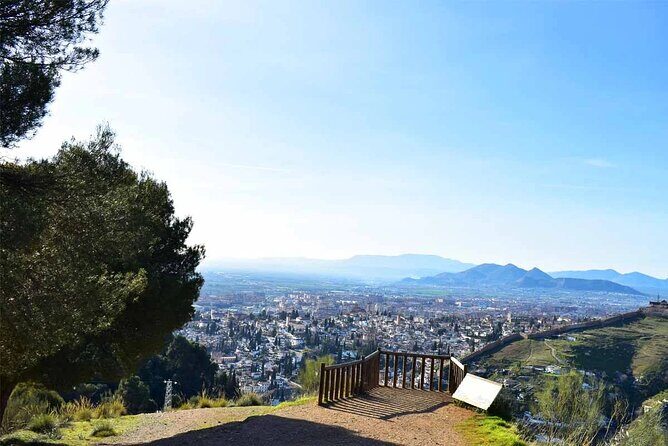
- Cerro del Sol viewpoints without needing to drive to the area
- Llano de la Perdiz plateau stop, a long-time nature-and-break spot for the Alhambra zone
- La Silla del Moro as a named viewpoint along the walk
- Small groups (max 8) for a more personal pace and plenty of questions
- Practical guidance from guides, including Julio’s storytelling style when he’s leading
Why This Alhambra Outskirts Hike Feels Like a Granada Signature

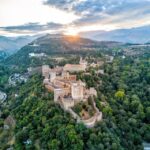
If you love Granada, you’ll probably enjoy how this walk changes your angle on the city. Instead of staying in the Alhambra walls, you head into the natural park edge and climb toward Cerro del Sol. It’s the kind of hike that feels built into the place, not bolted on.
I also like that it’s “classic” without being touristy. The route follows the path of the Alarife and connects the Avellano approach style with the hilltop goal. That matters because the Alhambra isn’t just a building—you’re moving through the terrain that historically supported the people who lived in its orbit.
One more thing I appreciate: the finish is designed to bring you back toward Granada’s center. So you don’t end the day feeling stranded out in the hills. In about 3 hours, you get exercise, views, and a sense of the broader Alhambra landscape all in one go.
Other hiking & nature tours we've reviewed in Granada
Meeting at Puente del AljibilloCentro and the 3-Hour Timing That Works
The walk starts at Puente del AljibilloCentro (18010 Granada, Spain) and returns there. That simple start-and-finish setup is a big deal when your schedule is tight, because you can plan lunch or an evening activity without guessing how far you’ll be from town.
The duration is listed at about 3 hours, which usually means you’ll spend a good chunk walking but not all day climbing. In practice, that time window is ideal for a “morning legs” plan: you get your hike done, then you still have Granada left.
You also have a small logistical win. You’ll get confirmation at booking, and the tour uses a mobile ticket. So you’re not hunting for paper tickets or last-minute paperwork on a phone screen.
La Silla del Moro: The Named Stop That Helps You Navigate the Effort
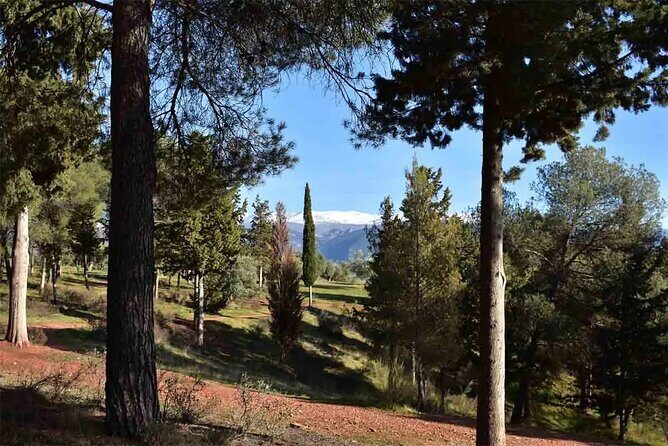
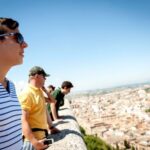
One clear waypoint is La Silla Del Moro. A named stop is more than just a mark on a map—it helps you understand where you are on the climb and why the route is worth the work. When you hit a viewpoint like this, the whole hike starts to feel more intentional.
Even if you’re not a hardcore hill climber, La Silla del Moro is a great kind of reward. It’s early enough in the day to give you motivation, but it still sits inside a route that continues toward the higher sections and the final plateau.
The potential drawback is simple: if you’re prone to getting winded, the lead-in to a viewpoint can feel steep. The upside is that the tour is guided, and you can match your pace without losing the big moments.
Following the Alarife Path Toward Cerro del Sol
This route is set up to take you from the Avellano side experience up to the top of Cerro del Sol, using the path of the Alarife as the backbone. That’s why it’s such a classic excursion: it’s walkable from the city edge, but it still feels connected to the Alhambra’s historical world.
I like that the “why” is part of the walk. You’re not just collecting elevation; you’re moving through an area tied to the Alhambra environment. The walk passes through a space that served provisioning and resting functions for people connected to the Alhambra area.
In the first stretch, expect that the beginning can include water. One review described it as mostly water at the start, which matters because it changes the feel of the hike—more like a lively trail section than a dry grind from the first minutes.
If you’re the type who enjoys learning while moving, this route hits a sweet spot. The guides tend to keep things human and story-based rather than turning it into a lecture.
Llano de la Perdiz: Where the Walk Gets a Breather (and a Meaning)
The highlight for me isn’t only the climb. It’s the way the tour finishes at Llano de la Perdiz, a plateau connected to how people historically rested and replenished in the Alhambra zone. It’s also a place Granada residents have returned to for decades to enjoy direct contact with nature.
That context changes how you feel on the final stretch. When you reach a plateau, your body notices the shift—less relentless uphill—and your brain has space to take it in. You’re not just arriving at a view; you’re arriving at a spot with a long habit of use.
This also helps the tour end well for photos and atmosphere. A plateau tends to give you multiple angles, and it’s easier to pause without constantly re-adjusting your footing for steepness.
The trade-off is that once you’ve done the last climbing bits, you’ll probably feel them in your calves. It’s not a reason to skip—it’s a reason to plan leg care after.



What to Wear and Bring: Trainers, Water, and a Real Plan for Your Pack
You should treat this hike like a climb with some tricky footing, not a casual nature walk. Based on what’s been shared by people who have done it, you’ll want comfortable shoes—good trainers are fine. Waterproof isn’t required, but you should plan to watch your steps.
Bring water. That advice came up clearly, and it’s smart for a 3-hour hike with steep sections. Also consider carrying it in a pack that keeps it easy to drink from. One practical tip was to use a small hiking backpack with a water bladder instead of a draw string bag, especially if the terrain makes you stop and start.
Expect moments that are a bit hands-on. Reviews mention crawling, climbing over sections, and holding onto handles, plus thin ledges and some steep parts. You don’t need climbing gear, but you do need a calm mindset and the willingness to move carefully.
And yes, bring your “after hike” muscle plan. One person warned about calf ache if you’re not used to about a 6K walk, and the best cure is simple stretching afterward. If you’re doing this the day before a long travel day, plan a little recovery time.
Fitness Level: Average Fitness, Not Couch Training
The tour states that most people can participate. That usually means you don’t need technical skills or special equipment. But there’s no way around the basic math: there is steep terrain and some scramble-style movement.
So here’s the honest way to judge it. If you do an average amount of walking and can handle uphills with patience, you’ll likely be fine. If you mostly sit and you’re trying this for the first time in months, expect a tougher experience than the “3 hours” number suggests.
Pace can help. One review said the pace was good, and that’s what you want from a guided hike. You should feel like you can keep moving without being rushed.
Guide Style: Small Group Energy and Real Personality on the Trail
This experience caps at 8 travelers, and that small group size can genuinely change the feel. In a tiny group, you get time to ask questions, pause for photos, and keep the walking rhythm without getting lost in a crowd.
You’ll also see how guides can improve the whole point of the hike. One person highlighted their guide Julio for being engaging and for sharing stories that made the walk add depth to their prior Alhambra visit. Another review described two Brazilian male guides as friendly, funny, and attentive with photos for the couples in their group.
So even if you’re not a “talk a lot on tours” person, you’ll probably benefit. The best guides don’t just point out where to walk—they help you understand why that hill and that plateau matter.
One small practical bonus: hiking sticks were provided, which can make a steep or uneven trail feel more stable. If you’ve got knee issues or you just prefer extra support, this is a smart inclusion to take advantage of.
Price and Value: When $49.68 Makes Sense
The price is listed at $49.68 per person for about 3 hours with a guide, a small group limit, and a route that uses named areas like La Silla del Moro and connects you to the Llano de la Perdiz finish.
Is it “cheap”? Not in a supermarket sense. But it looks like strong value in a travel sense for three reasons:
First, you’re paying for guidance on a trail that includes steep and hands-on sections. That’s where a guide earns their keep.
Second, the small group size (max 8) keeps it from turning into a slow, crowded walk where you can’t hear or ask questions.
Third, you’re getting a structured route that ends back where you started. For many people, that beats DIY navigation and lets you spend your time on the actual hike rather than map anxiety.
Several people also described the price as a bargain. Even if you can’t measure that exactly, the general logic is clear: a guided, well-managed 3-hour climb in this kind of terrain is worth more than a casual self-guided stroll.
Should You Book This Hike From Granada?
Book it if you want an Alhambra-related hike that’s practical, guided, and classic. It fits best when you’re the type who likes a mix of walking, viewpoints, and a bit of explanation that connects the terrain to what you already saw in the Alhambra the day before.
Skip it or reconsider if you’re looking for a flat walk with no scrambling and no steep moments. This one includes thin ledges, handles, crawling or climbing over bits, and a post-hike calf stretch session is a smart expectation.
If you’re on the fence, ask yourself this: do I want to earn my views with a careful climb? If the answer is yes, this is a strong choice.
FAQ
How long is the hike?
It lasts about 3 hours.
Where does the hike start and end?
It starts at Puente del AljibilloCentro, 18010 Granada, Spain and ends back at the same meeting point.
What language is the tour offered in?
The tour is offered in English.
What’s the maximum group size?
The group is limited to a maximum of 8 travelers.
What kind of shoes should I wear?
Wear comfortable shoes or good trainers, and watch your steps. Waterproof shoes aren’t required based on shared experience.
Is free cancellation available?
Yes. You can cancel up to 24 hours in advance for a full refund.