REVIEW · GRANADA
Small group visit to the Alhambra with tickets included
Book on Viator →Operated by Qalahorra tours · Bookable on Viator
Alhambra becomes clear fast with this guided route. You get a tight, small-group visit that pairs the Generalife gardens with the Nasrid Palaces, so you’re not just walking between spots. Along the way, the irrigation story in the orchards and gardens adds something you likely won’t notice on your own.
I especially like how the tour brings the Arabic inscriptions and architectural details into plain language. Guides such as Bilal, Sherif, Tarek, and Fatima are specifically praised for translating what you see and explaining why each space mattered, from the Mexuar to the Lions Palace.
One possible drawback: the exact Nasrid Palaces entry timing can shift. Start times are approximate, and the itinerary may flex depending on access and ticket availability for the palaces, so keep your day plan loose.
In This Review
- Key things that make this Alhambra tour worth your time
- Why the Alhambra feels different with a small-group plan
- Price and logistics: what you’re paying for at about $181
- Before you go: how to plan your Granada day around timed entry
- Stop 1: Generalife gardens and the irrigation system you’ll actually remember
- Stop 2: Nasrid Palaces, room by room (Mexuar, Comares, Lions)
- Mexuar Palace: the public arena
- Comares Palace: official receptions
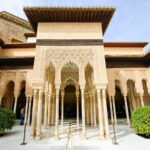
- Palace of the Lions: private life
- The guides are a big part of the value (names you might see)
- How long it really takes (and why 2–3 hours can stretch)
- Getting around: meeting point, transportation, and shoes
- Should you book this Alhambra tour?
- FAQ
- Where is the meeting point?
- What’s included in the ticket price?
- How long does the tour take?
- What language is the tour offered in?
- Can the schedule change on the day?
- Is there a radio system for listening to the guide?
- Is it refundable if plans change?
- What happens if the weather is poor or the group minimum isn’t met?
Key things that make this Alhambra tour worth your time
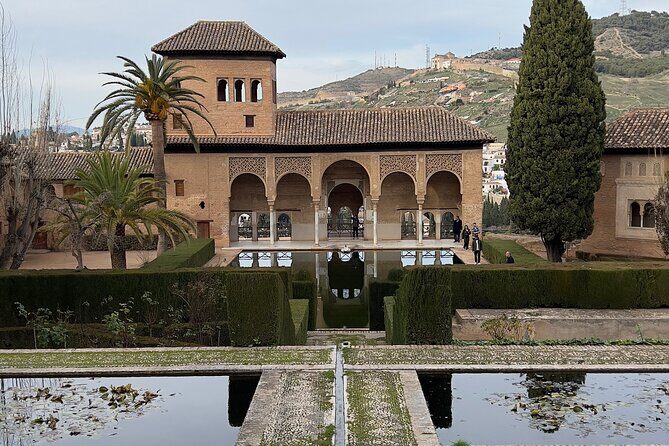
- Generalife gardens plus the irrigation system explanation, so you understand how the landscape was engineered, not just admired
- Nasrid Palaces, organized by purpose: advisors, official receptions, and the sultan’s private life
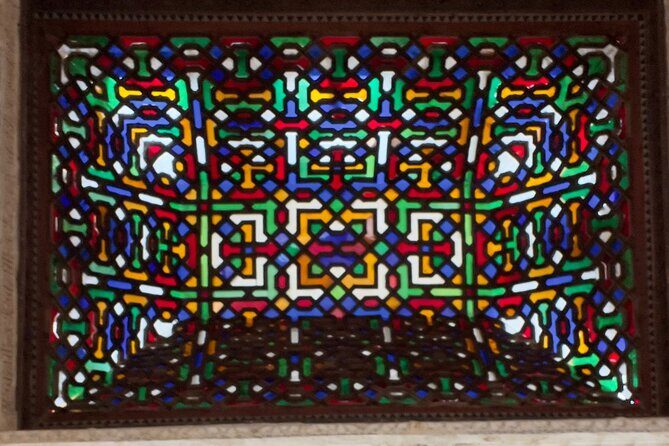
- Arabic inscriptions explained in English, with guides noted for translating wall texts and calligraphy
- Small-group pacing with radio guidance when the group is larger than 7
- Tickets handled for you, including entrance fees to the Nasrid Palaces and Generalife
Why the Alhambra feels different with a small-group plan
The Alhambra is popular for a reason: it’s visually stunning, and it’s also packed with meaning. A guided format helps you read what you’re looking at instead of getting lost in the wow-factor. With a smaller group, you usually get better time for questions and for stopping at the details that slow you down in a good way.
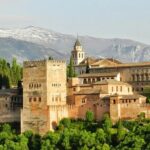
This tour keeps things focused. You’re not touring the entire fortress area or trying to cram everything into a single rushed loop. Instead, you move through the Alhambra’s most story-heavy areas—Generalife and the Nasrid Palaces—where the layout tells you how power, religion, and daily life were shaped.
You also get the practical win: tickets are included. That matters here, because timed entry is the whole game inside the complex. If you’ve ever shown up to find the best areas already fully scheduled, you know why this kind of package is so valuable.
Other small group tours we've reviewed in Granada

Price and logistics: what you’re paying for at about $181
At $181.41 per person (English small-group tour, about 2 to 3 hours), the price looks steep on paper. But you’re not just paying for a map and a crowd herding service.
You’re paying for three things that are hard to DIY here:
- Entrance fees to the key parts you’ll visit (Generalife and Nasrid Palaces).
- A guided walkthrough that explains what the spaces were used for, and what the inscriptions mean.
- Someone managing timed access realities—including schedule adjustments if the palaces entry slot needs to change.
One thing I’d consider before booking: your exact schedule can be flexible. Start times are approximate, and sometimes the order or timing shifts to align with the Nasrid Palaces access. If you’re the type who plans every minute tightly, that uncertainty may irritate you. If you’re the type who wants the day to breathe, it usually works fine.
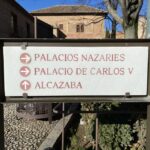
Also note the on-the-day communication style: the meeting point is set opposite the wall map by the ticket offices. That’s helpful because you’ll know where to go without hunting around.
Before you go: how to plan your Granada day around timed entry
Granada’s Alhambra day can feel like a mini project: getting in the right line, at the right time, for the right zone. This tour is designed to reduce that stress.
Here’s what you can count on:
- Meeting point: opposite the wall map, next to the ticket offices.
- Start times: approximate and dependent on monument ticket availability.
- Duration: about 2 to 3 hours, but in real life you may spend longer if the guide slows down for questions or if your group wants extra time.
Because timing is central, I’d build your day around it. Plan for a late start buffer before or after this tour. And don’t schedule a tight bus ride right after your visit unless you enjoy sweating.
Stop 1: Generalife gardens and the irrigation system you’ll actually remember
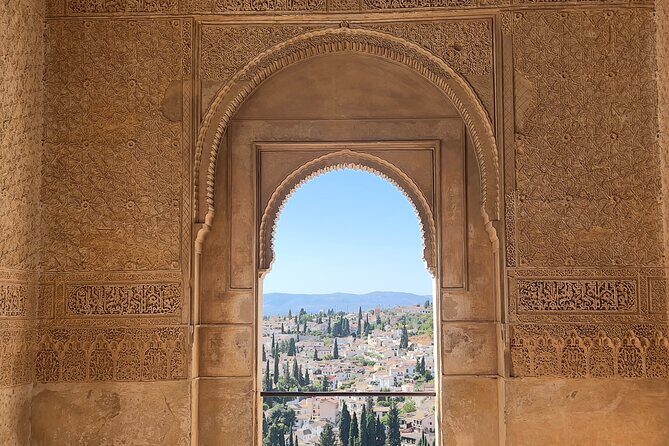
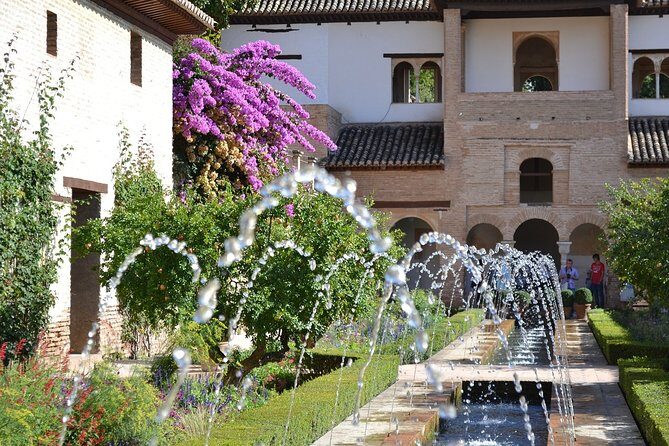
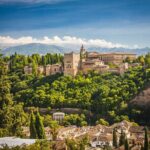
The Generalife portion is a favorite for a reason. You’re walking in what feels like a palace designed for plants—especially the summer palace of the Nasrid sultans. It’s described as the oldest garden palace in Europe, and even without getting academic, you can sense why: the gardens aren’t decoration. They’re part of how the place works.
What makes this stop genuinely useful on a guided tour is the irrigation explanation. You’ll learn how water was managed for orchards and gardens around the palace. That’s the difference between seeing a pretty garden and understanding a living system. Once you know the irrigation logic, details like pathways, planted areas, and the way water would have shaped daily life start making sense.
Expect a mix of:
- Garden-palace atmosphere with views that help you picture the site’s layout.
- Irrigation and water-management context, tied to how the grounds were sustained.
If you like architecture but also like practical engineering stories, this part will land well. If you only care about photos and scenery, it’ll still be satisfying, but you may want to pause a bit extra to soak in the explanations the guide gives as you walk.
Stop 2: Nasrid Palaces, room by room (Mexuar, Comares, Lions)
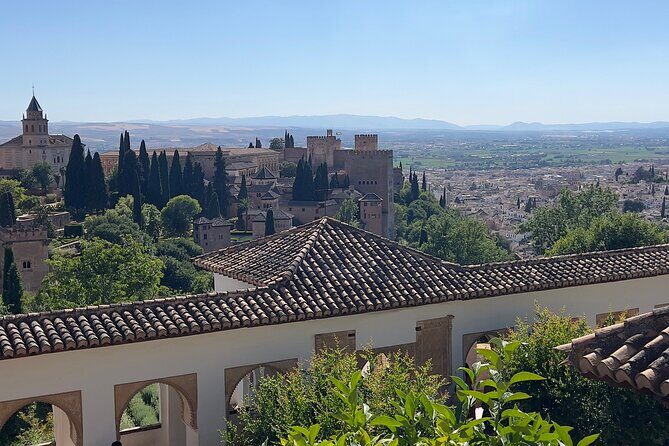
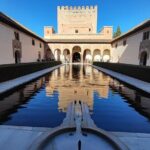
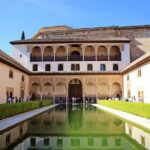
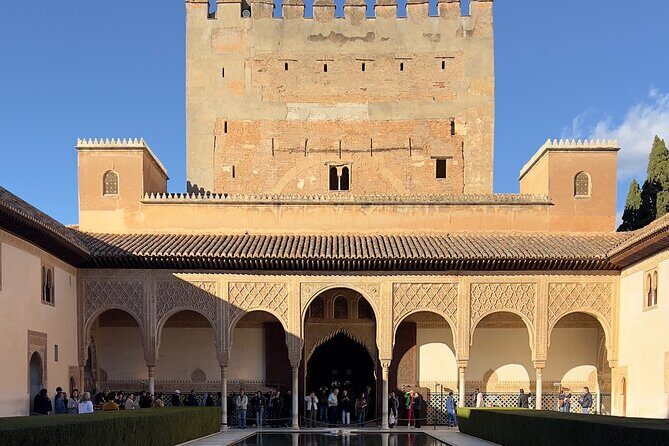
This is the jewel of the Alhambra visit. The Nasrid Palaces are where the complex shifts from being a fortress and garden world into a court world—who met whom, where power was displayed, and what private life looked like.
You’ll visit three palaces with different purposes, which is a smart way to structure the experience. Instead of treating the palaces like one big interior maze, you get meaning tied to each stop:
A few more Granada tours and experiences worth a look




Mexuar Palace: the public arena
You’ll see the Mexuar as the meeting place for the Sultan’s advisors, and it functioned as the public palace. This is where the narrative often changes from beauty to governance. The guide can connect design choices to how decisions were made and how authority was communicated.
Comares Palace: official receptions
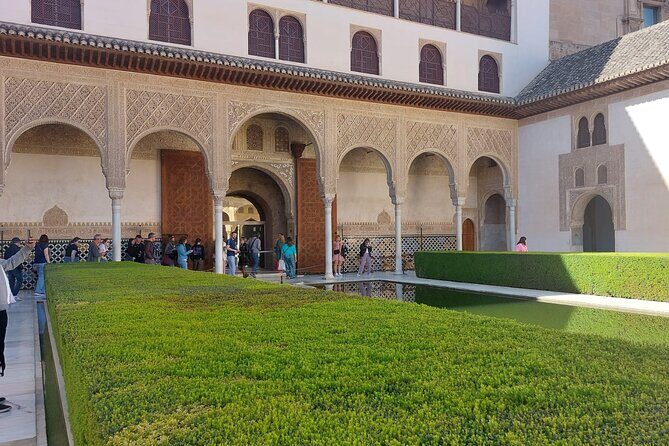
Next is Comares Palace, where the sultan received ambassadors. This portion tends to feel ceremonial because the space is about presentation. If you like the “how did people show power?” angle, this is the room type that rewards close attention.
Palace of the Lions: private life
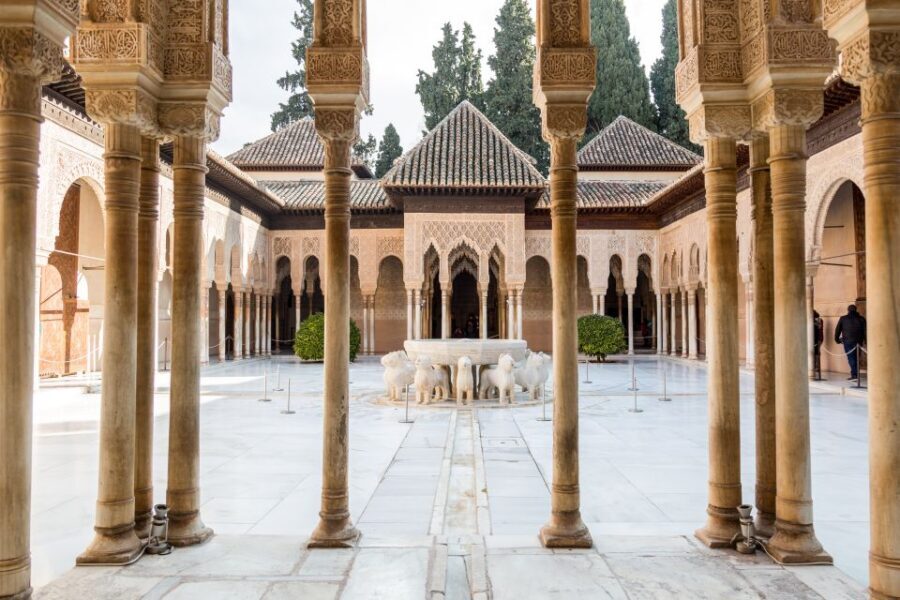
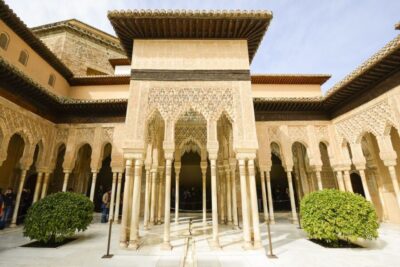
Finally, the Palace of the Lions is the private space where the sultan lived with his family. This is where details can feel more intimate, less like a stage and more like home. The guide’s explanation helps you understand why the architecture and decorative program would fit private living rather than official display.
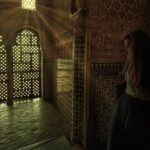
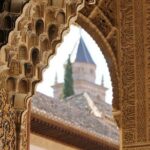
Across all three, a major highlight is how guides interpret inscriptions and patterns. Several guides are praised for reading and explaining Arabic texts and motifs, so the walls don’t just look impressive. They become readable.
The guides are a big part of the value (names you might see)
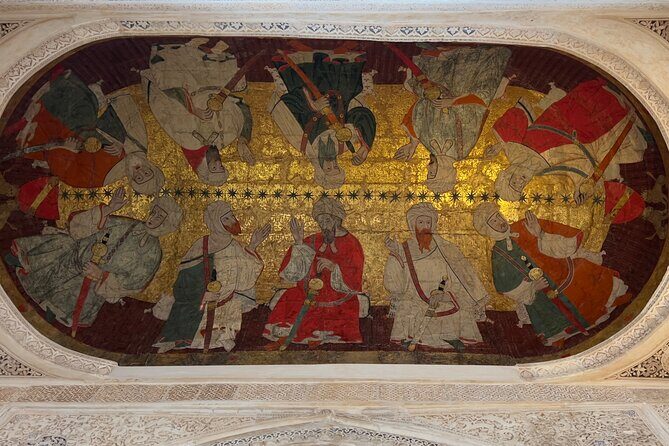
This tour is English-speaking and guided, and the guide quality shows up in the on-the-ground experience. In particular, guides named Bilal, Sherif, Tarek, Fatima, Abdel, Iria, and Behal come up in the available descriptions. The standout theme is that many guides focus on translating inscriptions and linking design to meaning.
A couple of practical benefits you’ll feel if your guide is strong at this:
- You understand what you’re looking at without needing to be an Alhambra scholar.
- Arabic calligraphy and carved text get explained in a way that sticks, not just recited.
- You get help spotting small details, the stuff that makes the Alhambra feel personal instead of generic.
One more practical note: if the group is larger than 7 people, you’ll use a radio guide service. That’s a small thing until you’re trying to listen while people bunch up for photos. It helps keep the flow.
How long it really takes (and why 2–3 hours can stretch)
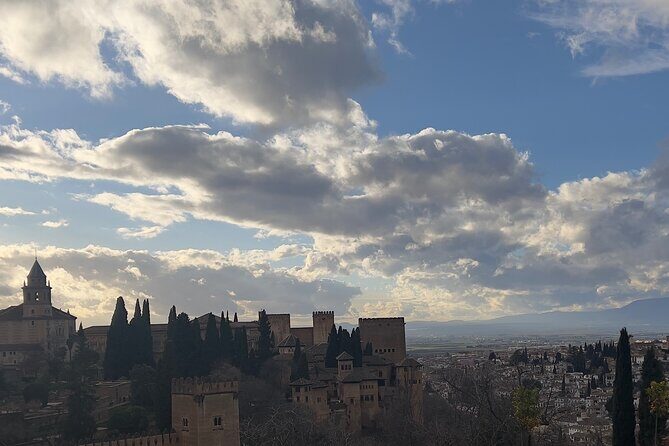
The tour runs about 2 to 3 hours. That’s the planning number. On the ground, I’d expect it to expand a bit depending on access timing and how your group moves.
Some people find they naturally slow down inside the palaces, especially when the guide starts pointing out inscriptions and architectural choices. If you have a history interest, you may also ask more questions, which can add time.
So your best strategy is simple: treat it as a half-day activity in spirit. You can still make dinner plans afterward. Just don’t plan a complicated schedule that assumes you’ll be exactly back at a specific minute.
Getting around: meeting point, transportation, and shoes
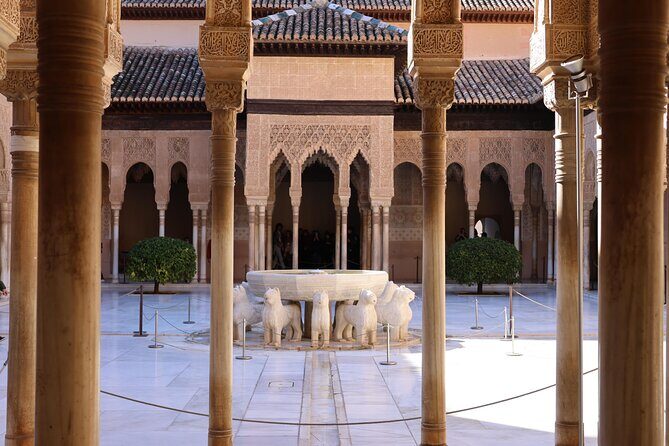
This is a walking tour inside a site that is not flat like a museum hallway. Your tour listing calls for moderate physical fitness, so I’d take that seriously.
Practical advice:
- Wear comfortable, grippy shoes.
- Bring a small bottle of water.
- Expect uneven surfaces and the kind of stair-and-step movement that adds up over time.
On arrival, go straight to the meeting point opposite the wall map next to the ticket offices. That reduces the chance of arriving at the wrong “nearby” landmark. Since it’s near public transportation, you can also rely on a short, local transit hop instead of trying to park close.
Service animals are allowed, so if that applies to you, plan as usual for a smooth day.
Should you book this Alhambra tour?
I think you should book it if you want:
- Generalife gardens plus Nasrid Palaces without ticket stress
- A guide who can translate Arabic inscriptions and explain what rooms were for
- A small-group pace that makes the palaces feel readable instead of overwhelming
- An English tour with strong attention to details, not just a highlight shuffle
I’d hesitate if:
- You need absolute schedule certainty down to the minute, because the palaces timing can be flexible
- You’re only interested in quick photo stops and don’t want guided explanation
- You feel the price is too high for a group tour, especially if you already plan to spend extra time there on your own with a self-guided route
If you fit the first list, this is one of the smarter ways to do the Alhambra in a limited time window.
FAQ
Where is the meeting point?
You meet opposite the wall map next to the ticket offices.
What’s included in the ticket price?
The tour includes a guided visit of the Alhambra with entrance fees to the Nasrid Palaces and the Generalife.
How long does the tour take?
Plan for about 2 to 3 hours.
What language is the tour offered in?
The tour is offered in English.
Can the schedule change on the day?
Start times are approximate, and sometimes the schedule may shift to match the Nasrid Palaces access.
Is there a radio system for listening to the guide?
A radio guide service is provided when the group is more than 7 people.
Is it refundable if plans change?
No. This experience is non-refundable and cannot be changed for any reason.
What happens if the weather is poor or the group minimum isn’t met?
If canceled due to poor weather, you’ll be offered a different date or a full refund. If canceled because the minimum number of travelers isn’t met, you’ll be offered a different date/experience or a full refund.